
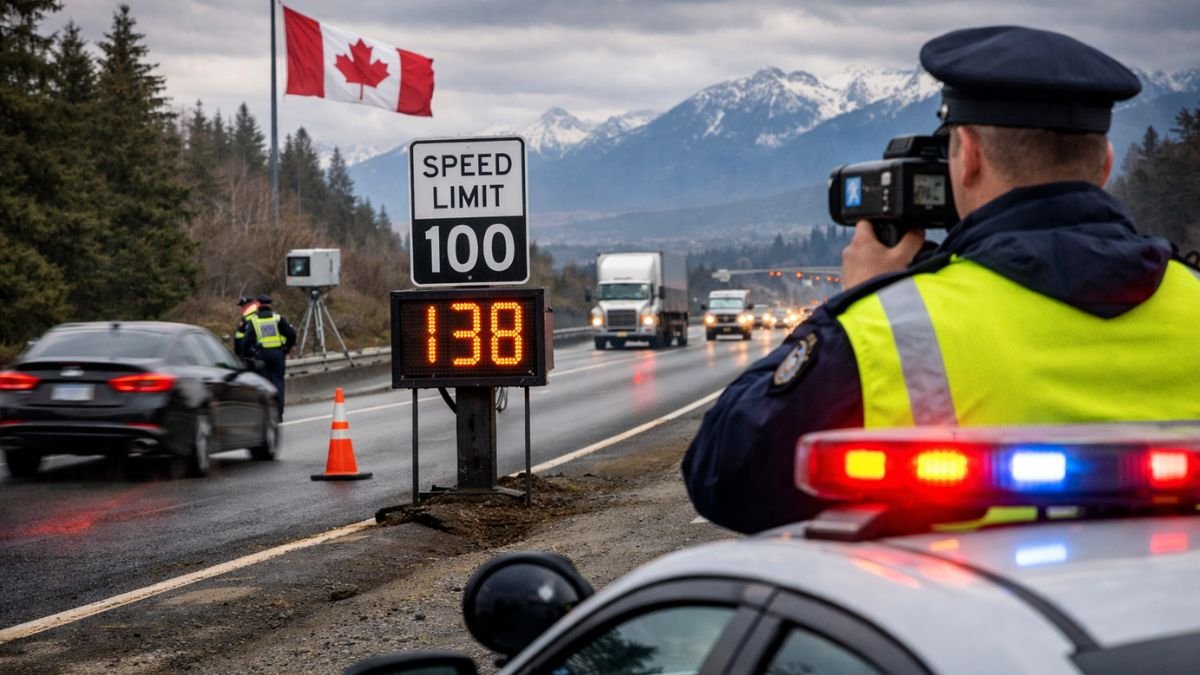
Beginning March 9, 2026, drivers throughout Canada will face significantly tougher traffic enforcement rules aimed at improving road safety. Authorities have announced stricter monitoring systems and higher penalties for motorists who exceed speed limits.
The revised regulations are designed to reduce traffic accidents and encourage safer driving habits nationwide. Under the new policy, speeding violations could result in fines of up to $1,900, depending on how much a driver exceeds the legal speed limit.
With stronger enforcement, advanced monitoring technologies, and stricter legal consequences, drivers are encouraged to understand the updated rules early to avoid costly penalties and maintain a clean driving record.
New Traffic Enforcement Rules and Higher Speeding Fines in Canada
The Canadian government has introduced stricter traffic regulations to discourage reckless driving and protect public safety. One of the key aspects of the new policy is a substantial increase in speeding fines.
Under the revised enforcement guidelines, penalties vary based on how far a driver exceeds the posted speed limit. Severe violations could lead to fines approaching $1,900, making speeding far more expensive than before.
To strengthen enforcement, authorities will rely on advanced monitoring technologies such as:
- Automated speed detection systems
- Traffic surveillance cameras
- Digital monitoring tools to track violations
In addition to financial penalties, drivers caught speeding may accumulate licence demerit points, which can negatively impact their driving records and potentially increase insurance premiums over time.
Updated Speeding Penalty Structure Drivers Should Know
The new penalty system categorizes fines according to the seriousness of the speeding offence. Minor violations may only lead to smaller fines, while severe cases could involve court notices or other legal consequences.
Repeat offenders face even stricter actions, including the possibility of licence suspension. Authorities are also placing stronger enforcement in high-risk areas, particularly near:
- School zones
- Construction sites
- High pedestrian traffic locations
These zones often carry heavier penalties due to increased safety risks. The goal is not only to penalize offenders but also to encourage consistent compliance with speed regulations across all provinces.
Practical Tips for Drivers to Avoid Costly Speeding Tickets
Motorists can reduce their risk of receiving speeding fines by adopting safer driving habits and paying close attention to road regulations.
Here are a few helpful strategies:
1. Use Navigation and Speed Alert Tools
Many navigation apps now provide real-time speed limit alerts that help drivers stay within legal limits.
2. Follow Defensive Driving Practices
Maintaining a safe following distance and driving attentively can prevent accidental speeding.
3. Watch Local Road Signs Carefully
Speed limits frequently change in busy urban areas, making it essential to check posted road signs regularly.
4. Plan Trips in Advance
Leaving earlier for destinations can help drivers avoid rushing and unintentionally exceeding speed limits.
By following these simple precautions, drivers can maintain a clean driving record and avoid expensive penalties.
Impact of Canada’s 2026 Speeding Enforcement Reform
The updated traffic regulations aim to create safer roads and reduce the number of traffic collisions nationwide. Through stricter penalties and improved monitoring, authorities expect drivers to adopt more responsible driving habits.
Public awareness campaigns will accompany the enforcement changes to help drivers understand the importance of safe driving practices. Early projections suggest the reform could improve traffic rule compliance and potentially lower accident rates.
Although some motorists have expressed concerns about higher fines, road safety experts emphasize that the long-term benefits—especially for pedestrians and other road users—far outweigh the drawbacks. Ultimately, the initiative promotes a culture of cautious driving and shared responsibility on Canadian roads.
Estimated Speeding Penalties Under the New Rules
| Speed Over Limit | Estimated Fine | Possible Consequences |
|---|---|---|
| 1–10 km/h | $150 | Warning or minor penalty |
| 11–20 km/h | $350 | Recorded on driving history |
| 21–30 km/h | $700 | Demerit points added |
| 31–40 km/h | $1,200 | Possible court appearance |
| 40+ km/h | Up to $1,900 | Risk of licence suspension |
Canada’s updated speeding enforcement policy, effective March 9, 2026, represents a major shift in national traffic safety efforts.
With significantly higher fines, advanced monitoring technology, and stricter penalties for repeat offenders, the new regulations are designed to discourage reckless driving and protect all road users.
By staying informed about the updated rules and practicing responsible driving habits, motorists can avoid costly penalties while contributing to safer roads across the country.
FAQs
1. When do the new speeding penalties start in Canada?
The revised enforcement rules take effect on March 9, 2026.
2. What is the maximum speeding fine under the new policy?
Drivers may face penalties of up to $1,900, depending on how much they exceed the speed limit.
3. Will speeding violations affect insurance premiums?
Yes. Accumulating licence points from speeding offences can lead to higher insurance costs.